Stairway to Heaven | Lush Life
Jonathan Widran – THE JW VIBE
Jul 23, 2025
While a simple streaming search nets us thousands of jazz
interpretations of Beatles tunes, there’s a reason we must look far
and wide to find jazz artists daring enough to tackle the granddaddy
of all rock epics, Led Zeppelin’s “Stairway to Heaven.” Some
instrumentalists like guitar great Stanley Jordan have done solid
renditions, but when it comes to vocalists trying to climb the
Page/Plant mountain, most who might consider tackling it are like Mike
Myers Wayne’s World character being shown the sign at the guitar store
that reads, “No Stairway to Heaven,” quickly realizing, “No Stairway,
Denied!”
At any other point in his eclectic career as a musical theatre
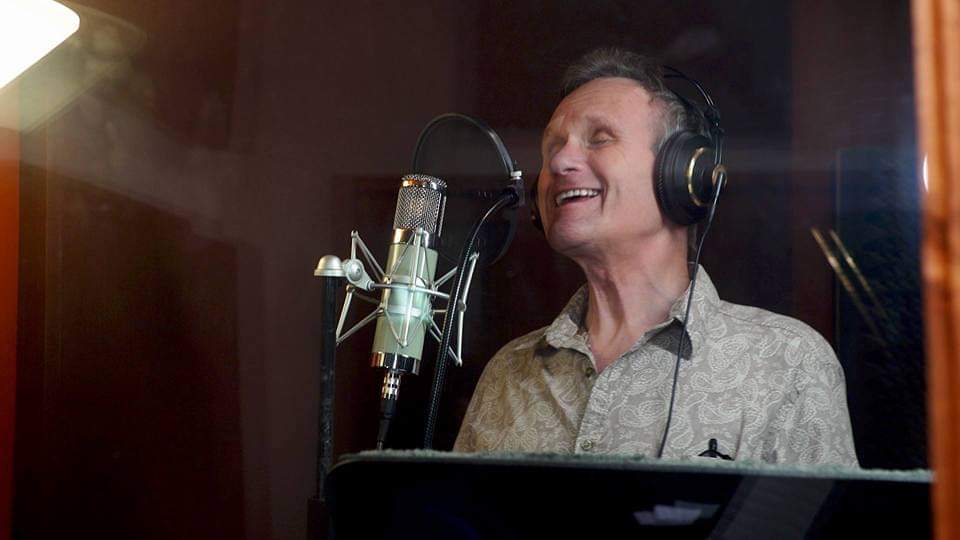
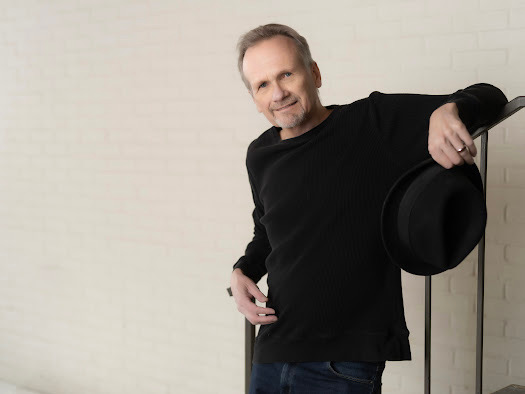
performer turned jazz singer and recording artist, Gary Brumburgh
might have denied himself the opportunity as well. And truth to tell,
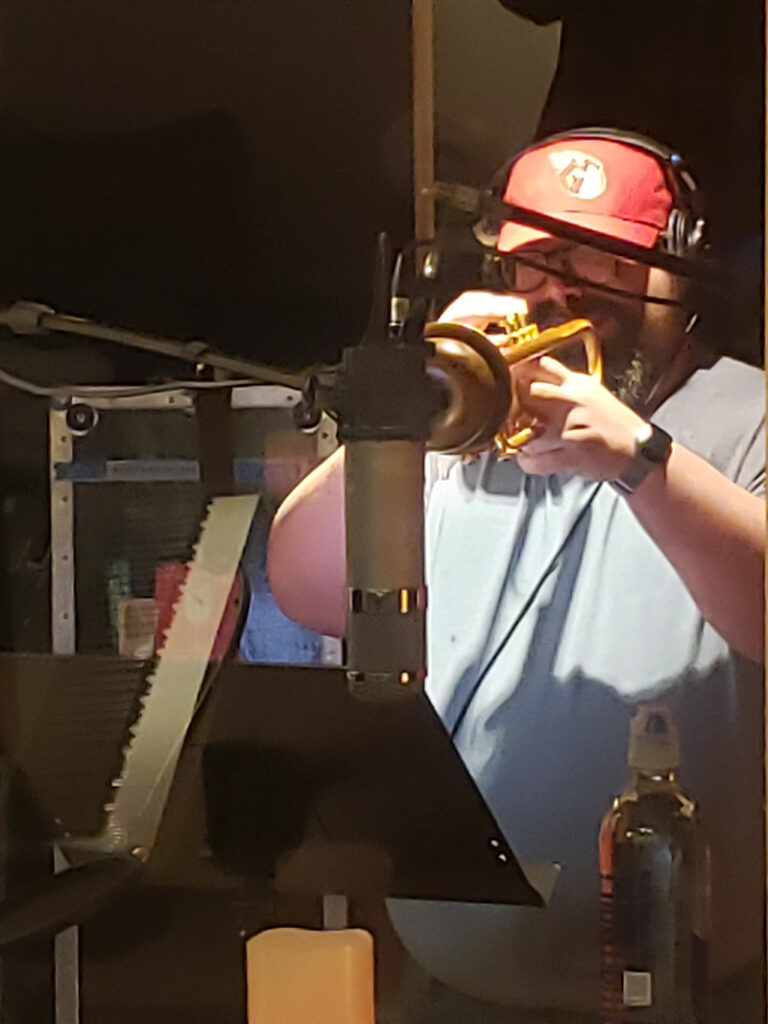
even as he, producer/arranger Stephan Oberhoff and flutist Michael
Morton worked diligently on the intricate details of the singer’s
version – an epic seven-minute opus full of love, enlightenment,
soulful sensitivity and wildly adventurous twists and turns –
Brumburgh admits he was completely intimidated. Maybe it’s the kind of
WTF boldness that only comes with being a three-time cancer survivor,
but choosing to title it “Stairway to Heaven: A Movement for Voice and
Flute” might have seriously irked classical aficionados, in addition
to the built in rock and jazz fans, as well. But Brumburgh, confident
in Oberhoff’s brilliance as an arranger after their lushly
orchestrated recent version of “Lush Life,” took on the masterpiece
full throttle.
“I have been wanting to do a jazz version of Stairway to Heaven for
decades but was afraid to even attempt it,” Brumburgh says. “I was
begging for disaster, but when you get older, you get into a ‘What the
hell’ mode and I decided to go for it once I found the technician and
arranger that could pull it off. Stephan is both. I have heard a few
jazz covers of ‘Stairway” that turned me completely off. They did
nothing to change it up (so why bother?) or changed it up
ridiculously, including one I found on YouTube in three quarter time.
It also didn’t fit as a bossa or swing. We finally took a jazz fusion
kind of direction, which led to a more open interpretation. I have no
idea how it will be accepted, but I’m proud of it and will defend it
with my life.”
The other unique aspect of Brumburgh doing Zeppelin is that his
official bio namedrops influential singers from the worlds of theatre
and jazz, but not rock – everyone from Gordon MacRae and Jack Jones to
Nat, Ella, Joe Williams, Sarah Vaughan, Shirley Horne, Mel Tormé and
contemporary greats like Kurt Elling and Tierney Sutton. His three
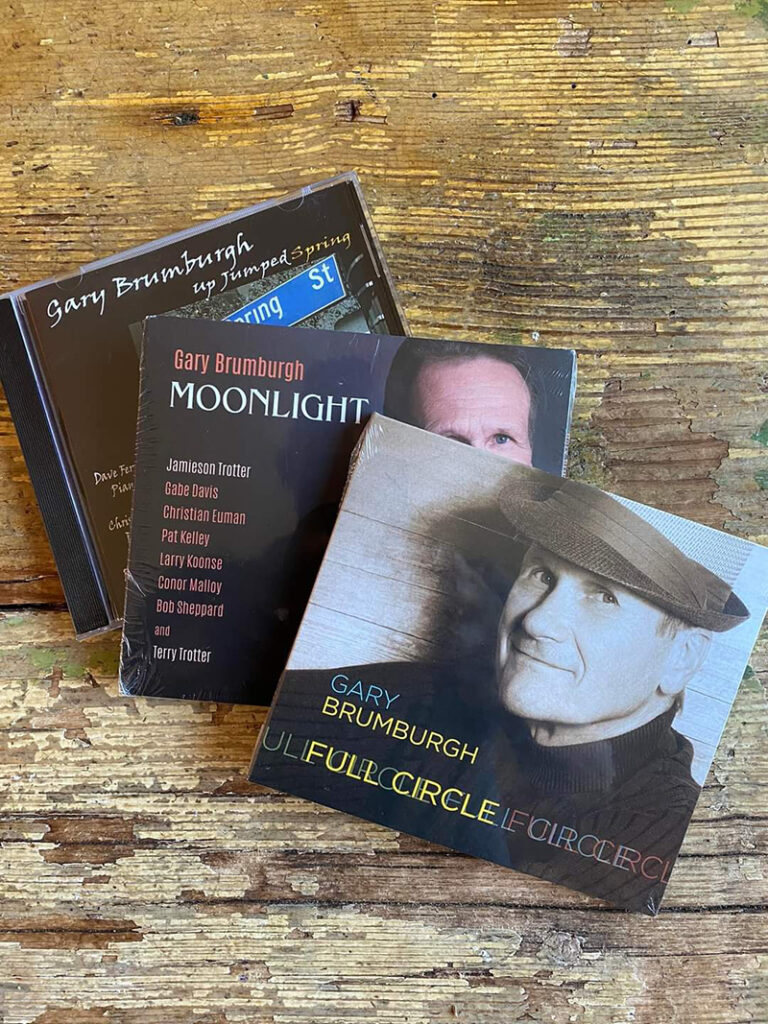
albums (Up Jumped Spring, Moonlight and Full Circle) are alternately
intimate and swinging jazz affairs, the latter paying homage to some
great Broadway tunes. He grew up a pop music aficionado with limited
interest in hard rock, but found “Stairway to Heaven” a complete
revelation and true oddity.
“Almost every song on Led Zeppelin IV just blows me away,” Brumburgh
says. I can’t find a comparable rock album. Stairway is a masterpiece
of words, music, story and expression. The musical comedy actor in me
hears the song as a three-act epic piece. Unlike most songs, I listen
to it when I need to escape into another world . If I was stressed
out, I would take this song in the car and let it take me away. It’s
framed. The first thing that hit me was the exquisite beauty of the
epic, especially the ‘It makes me wonder’ sections. Entrancing before
it explodes into Bonham’s amazing drums and the heavy rock aspect
takes over. The ending is so powerful before it ends so quietly as it
does before. The words impossibly mystical.”
Brumburgh prepares us for his fresh, almost otherworldly take on the
piece from the start via a flute and piano intro created out of whole
cloth with no reference to Jimmy Page’s original progression. Making
Morton such a prominent part of the experience is almost like inviting
the spirit of the very much still alive Ian Anderson, like the
ultimate Zep/Jethro Tull expression! Gary’s intimate, crystal clear
vocals and elegant, meditative approach on the intimate opening verses
draw us in immediately and allows us to contemplate the metaphorical
wisdom of Robert Plant’s lyrics. At certain junctures, the singer
cleverly and intuitively hits certain notes or turns phrases
differently than the original to make the poetic storytelling all his
own. His pairing with Morton in certain spots is mesmerizing.
Oberhoff introduces a synth cello texture to add emotional heft and a
bit of mysticism to Brumburgh’s curiosity on the immortal line “It
makes me wonder,” truly making this a fusion of rock, jazz and
neo-classical music. The mystical classical-jazz ballad vibe continues
on the next verses with tender drum brushes, cymbal flourishes, the
introduction of a bassline and dynamic flights of flute and orchestral
fancy. As Brumburgh’s vocals become more passionate on the next
rendition of wonder (“It really makes me wonder,” he emphasizes),
we’re treated to an angelic choir of echoing female voices.
Finding the bustle in our hedgerow, the rockin’ portion of the track –
and in truth, an overall spirit of freewheeling studio creativity –
begins with booming, funky drums, crunchy synth guitar and Brumbugh’s
most intense vocals swirling with percussive flute runs and more
soothing angels. Artfully reflecting the lyrics of “two paths you can
go by,” the singer and his cohorts jump from ethereal curiosity to
emphatic jamming in a heartbeat. Brumburgh keeps wondering, showcasing
the depth and power of his voice as Morton’s flute energy darts around
and solos wildly over impromptu earthy percussion.
Then comes another cool, unexpected detour on the vocals, with
Brumburgh shifting to a more percussive, harmony textured delivery,
backed by the angelic gospel choir and tribal percussion on “Your head
is humming/And it won’t go…” and the lines immediately following.
After a dramatic crescendo, the singer, realizing there’s no point in
tackling Plant’s soaring final segment, takes a dreamier, thus more
heavenly, route with hypnotic infectious vocal textures that
approximate something of a call and response pattern but need to be
heard to be fully appreciated. This feels like more of his dramatic
musical theatre personality shining through, or maybe an incredible
duet with Take 6 (!), putting his own stamp on the classic, to surreal
effect, before returning to earth for the gentle closing line.
As one familiar with much of Brumburgh’s jazz recordings, I
wholeheartedly agree with his assessment that “my interpretation of
Stairway retains the sensitivity and beauty of the original, AND it
fits my voice. That was the most important part to create. It also has
as many movements as the original and feels like the epic it should
be. It builds beautifully in volume, I keep all the words to stay true
to Zeppelin. I would love Zeppelin to hear it sometime. I hope they
do. If they hate it, I may respect that, but I won’t be sorry.”
Nor will Brumburgh’s many fans and those looking for perhaps the most
original piece of music any jazz, rock or classical fan is likely to
hear in 2025!
Ellen Johnson – Vocal Visions Review – September 12, 2025
Gary Brumburgh: Stairway to Heaven – A Movement for Voice and Flute
I need to pause here and add a small disclaimer. Gary Brumburgh was once a student of mine in Los Angeles, where I introduced him to jazz through my weekly workshops. Those sessions often circled back to the same theme: taking a song and making it your own through re-harmonization, form, and interpretation.
Gary has done just that and more with his striking interpretation of Led Zeppelin’s “Stairway to Heaven.” What was once a rock monument becomes seven minutes of musical mystery, reshaped with gallant grace through Stephan Oberhoff’s masterful arrangement. More than a cover, it unfolds as an otherworldly story that draws us deeper into the lyric, where the familiar is both honored and set free.
As C. Michael Bailey notes in Wild Mercury Rhythm, “The performers touched and transformed every nook and cranny of this performance, rendering it new. Brumburgh shows a fearlessness that pays off with a truly effective reimagining.”
I admire Gary’s boldness here. Few would dare to climb this particular stairway, yet he does so with artistry, imagination, and heart. I share the video he produced so you, too, can step into this alternate vision recast in modern jazz hues, shimmering with both reverence and reinvention.
SCOTT YANOW, Film Reviewer and Historian – September 3, 2025
STAIRWAY TO HEAVEN:
A Movement for Voice & Flute
Stairway To Heaven,” which was originally released on Led Zeppelin IV in 1971, is one of the most beloved of all rock songs. Composed by Jimmy Page with lyrics by Robert Plant, it begins quietly, gradually builds up, includes an explosive guitar solo, and then fades out at its end, leaving listeners wanting more even after eight minutes.
Gary Brumburgh balanced his two careers as an actor and a singer for years. He acted on stage (often in musicals), in films, and on television while also singing with local bands in Los Angeles and Las Vegas. In 2003 he dedicated himself to singing jazz. He made his first CD, Up Jumped Spring, in 2007 followed by Moonlight (2018) and Full Circle (2022). In recent years he has relocated to Nashville where he has become an important part of the local jazz scene.
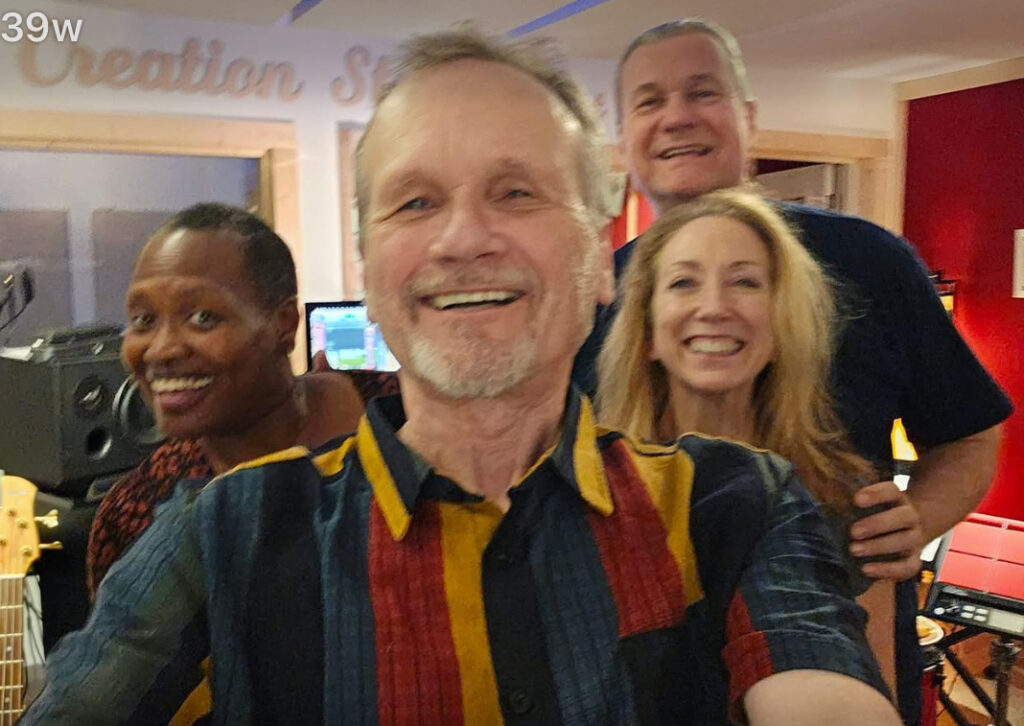
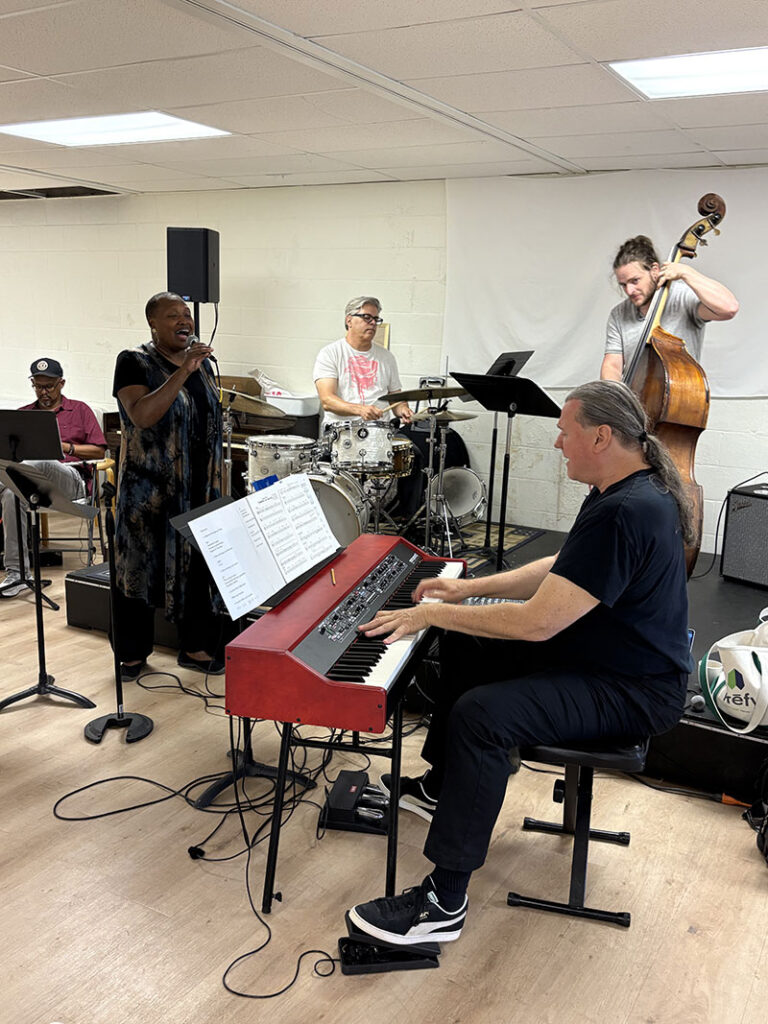
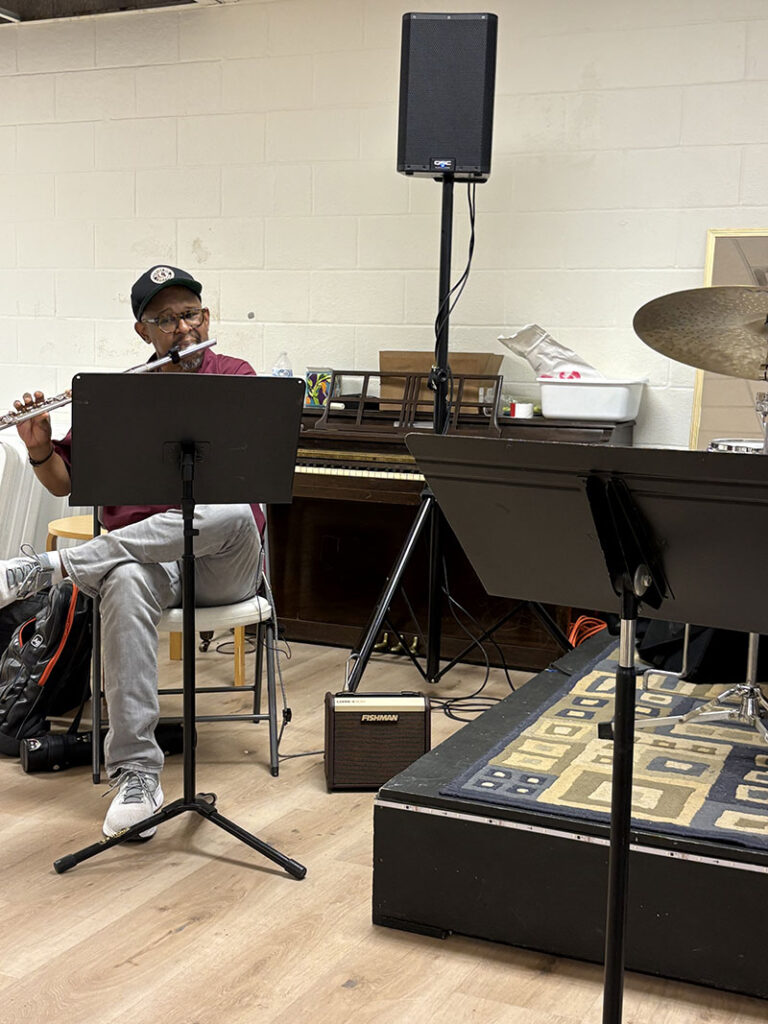
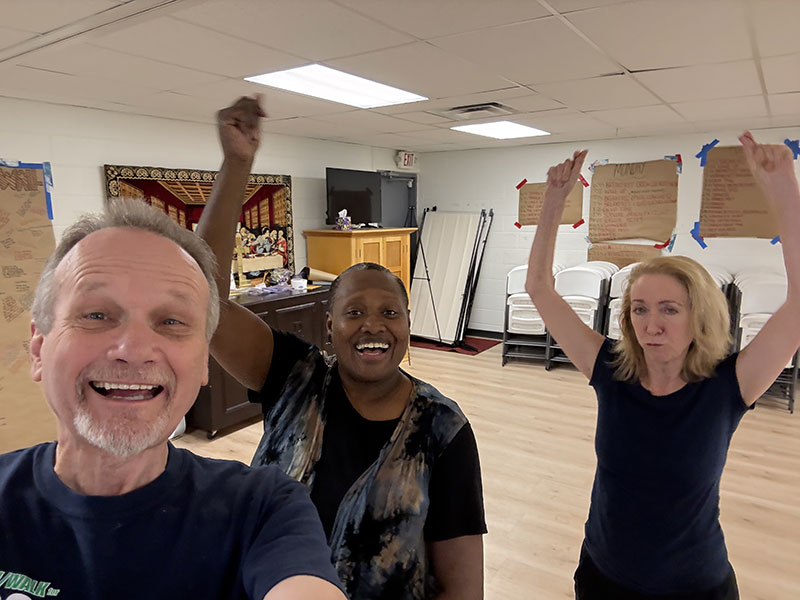
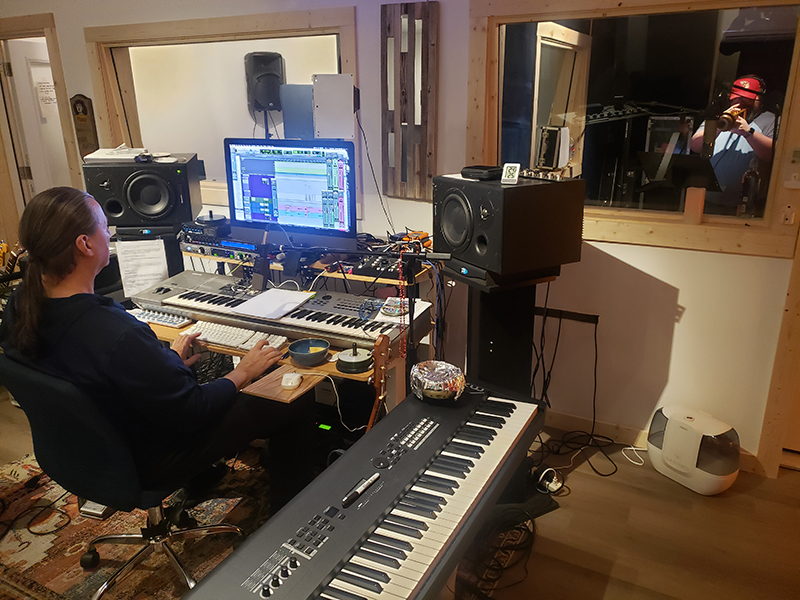
The singer’s new version of “Stairway To Heaven,” which is being released as a single, was made in collaboration with arranger-keyboardist Stephan Oberhoff and flutist Michael Morton. Crystal Miller, Laura Pursell, Oberhoff, and Brumburgh himself contribute background vocals. While it follows a similar pattern as the Led Zeppelin recording, there are differences. The background is sparser with Oberhoff’s piano taking the place of Page’s guitar and a prominent role for Morton’s flute.
Gary Brumburgh’s fresh version of “Stairway To Heaven” is an epic on its own level. With his warm voice, thoughtful delivery, and subtle improvising, he succeeds in retaining the essence of the original while adding new qualities to the song and bringing out some of the hidden meanings that are found in the lyrics of the Led Zeppelin classic.